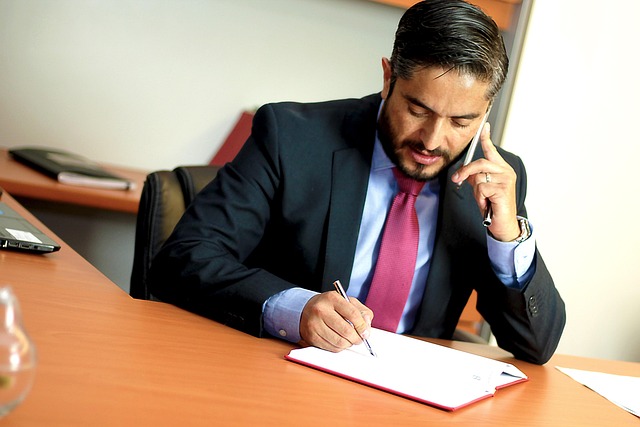
Male Sexual Assault Lawyer Atlanta GA: Navigating Justice and Support for Survivors
Introduction
In the bustling city of Atlanta, Georgia, the field of legal advocacy has a specialized branch dedicated to addressing a critical issue: male sexual assault. This comprehensive guide delves into the world of male sexual assault lawyers in Atlanta, exploring their role, impact, and the complex landscape they navigate. By understanding this niche area of law, we can appreciate the vital support and justice these professionals offer to survivors. The following sections will dissect various aspects, from legal definitions to global implications, providing a holistic view of this essential practice.
Understanding Male Sexual Assault Lawyer Atlanta GA: Unraveling the Definition and Significance
Definition: A male sexual assault lawyer in Atlanta is a legal professional specialized in representing individuals who have experienced sexual abuse or assault, with a particular focus on cases involving male victims. This type of lawyer advocates for justice, provides legal counsel, and fights for the rights of survivors, ensuring they receive adequate support and compensation.
Key Components:
-
Victim Advocacy: These lawyers act as powerful advocates for male survivors, offering emotional support and guiding them through the legal process. They ensure that victims' voices are heard and their rights protected.
-
Legal Expertise: Male sexual assault lawyers possess deep knowledge of Georgia's laws related to sexual offenses, evidence collection, and criminal/civil litigation processes. They employ this expertise to build strong cases and achieve favorable outcomes.
-
Sensitivity and Cultural Understanding: Given the sensitive nature of sexual assault cases, these lawyers approach their work with empathy and cultural sensitivity. They understand the unique challenges male survivors face in coming forward and are adept at navigating societal perceptions.
Historical Context: The field of male sexual assault law has evolved significantly over the past few decades, driven by increased awareness of gender-based violence and a push for gender equality. In Atlanta, as in many cities across the globe, the demand for specialized legal services for male survivors has grown, leading to the development of dedicated practices.
Significance: Male sexual assault lawyers play a pivotal role in several ways:
-
Empowering Survivors: They provide a safe space for male victims to share their experiences and offer them a sense of agency in the aftermath of trauma.
-
Ensuring Justice: These lawyers ensure that perpetrators are held accountable, advocating for just outcomes through prosecution or civil litigation.
-
Education and Prevention: Through public awareness campaigns and legal education, they contribute to preventing future assaults by raising consciousness about consent, boundaries, and available resources.
Global Impact and Trends: A Worldwide Issue with Local Solutions
The issue of male sexual assault transcends geographical boundaries, making it a global concern. However, the response and legal frameworks surrounding this problem vary significantly from one region to another.
International Influence:
-
Common Challenges: Many countries face similar challenges, including underreporting due to stigma, fear of retaliation, or mistrust in authorities. This leads to a significant number of cases going unsolved.
-
Legal Disparities: The legal definitions and penalties for sexual offenses differ widely across nations. Some countries have stringent laws with robust enforcement mechanisms, while others struggle with inadequate legislation and limited resources.
Regional Trends:
| Region |
Notable Trends |
| North America |
Increasing awareness and specialized legal services, particularly in urban centers like Atlanta, leading to improved support for male survivors. |
| Europe |
Striving for consistency in legal definitions and procedures across member states to enhance cross-border cooperation in cases involving multiple nations. |
| Asia Pacific |
A growing focus on digital sexual assault and online platforms, prompting the need for specialized cybercrime units and legal frameworks. |
| Middle East & Africa |
Varied responses, with some countries implementing stricter laws and others facing challenges in enforcing existing legislation due to cultural norms and limited resources. |
Economic Considerations: The Financial Aspects of Male Sexual Assault Law
The economic implications of male sexual assault law are multifaceted, impacting various sectors and stakeholders.
Market Dynamics:
-
Legal Services Demand: The demand for specialized legal services for male sexual assault victims creates a niche market within the broader legal industry. This segment is expected to grow as awareness increases and more survivors seek justice.
-
Cost of Justice: Cases of male sexual assault can be complex, often involving extensive evidence collection, expert witnesses, and prolonged litigation. These factors contribute to higher legal costs for survivors, underlining the importance of accessible legal aid.
Investment Patterns:
-
Private vs. Public Funding: Many male sexual assault cases are funded through public resources, including government grants and non-profit organizations dedicated to supporting victims. Private law firms also invest in these practices, recognizing the potential for meaningful social impact.
-
Economic Impact on Survivors: The financial burden of legal fees can be a significant barrier for survivors. However, successful outcomes can lead to compensation that helps with recovery and rebuilding lives.
Technological Advancements: Digital Tools and Innovations in Legal Practice
Technology has revolutionized the legal landscape, and male sexual assault law is no exception. Several technological advancements are shaping this field:
-
Online Reporting Platforms: Survivors can now report sexual assaults securely through digital platforms, providing a more comfortable and accessible alternative to traditional methods. These tools often include automated evidence collection and crisis support resources.
-
Forensic Technology: Advances in forensic science have improved the ability to collect and analyze digital evidence related to sexual offenses, enhancing the strength of legal cases.
-
Legal Research Databases: Efficient legal research platforms enable lawyers to quickly access relevant case law, statutes, and regulatory documents, streamlining the preparation for trials and negotiations.
Impact and Future Potential:
-
Enhanced Accessibility: Technology has the potential to make legal services more accessible, especially in remote areas or regions with limited resources. Online resources can educate survivors about their rights and guide them towards support services.
-
Data-Driven Insights: Digital tools can assist in tracking trends, identifying patterns, and evaluating the effectiveness of prevention programs, ultimately informing policy decisions.
-
Cybersecurity Concerns: As more cases are reported and evidence is stored digitally, ensuring data security and privacy becomes critical. Lawyers must stay updated on cybersecurity best practices to protect sensitive client information.
Policy and Regulation: Shaping the Legal Response to Male Sexual Assault
The legal response to male sexual assault is guided by policies and regulations that vary across jurisdictions. These frameworks influence how cases are handled, the rights of survivors, and the accountability of perpetrators.
Key Policies and Regulations:
-
Statutes of Limitations: These set time limits for filing criminal or civil charges, ensuring cases proceed within a reasonable timeframe. In Georgia, for instance, the statute of limitations for most sexual offenses is 20 years.
-
Consent Laws: Defining consent and its importance in legal proceedings is crucial. Georgia's laws emphasize informed, voluntary, and enthusiastic consent, with penalties for violations.
-
Victim Rights Legislation: Protecting survivors' rights during investigations and trials is essential. These policies ensure their privacy, safety, and access to support services.
International Agreements and Standards:
-
UN Convention on the Elimination of All Forms of Discrimination Against Women (CEDAW): This international treaty includes provisions addressing gender-based violence, influencing national laws and policies related to male sexual assault.
-
Istanbul Convention (Council of Europe): A groundbreaking agreement that specifically addresses prevention, protection, and response to domestic and intimate partner violence, including sexual assault. Many countries, including Georgia, have ratified this convention.
Challenges and Criticisms: Overcoming Barriers for Male Sexual Assault Lawyers
Despite the vital work they perform, male sexual assault lawyers face several challenges and criticisms. Addressing these issues is essential to enhancing the quality of legal services provided to survivors.
Main Challenges:
-
Stigma and Social Perception: Male victims often face additional barriers due to societal expectations and gender stereotypes, making it challenging for them to come forward and seek help. Lawyers must combat these perceptions while advocating for change.
-
Underreporting and Evidence Collection: Many cases are never reported, and when they are, evidence collection can be difficult. Lawyers need to be adept at navigating these complexities and gathering compelling evidence.
-
Legal Loopholes and Inconsistent Justice: Gaps in laws or inconsistent enforcement can hinder legal pursuits. Lawyers must stay informed about changes in legislation and advocate for stronger legal frameworks.
Proposed Solutions:
-
Education and Awareness: Legal professionals should engage in public education campaigns to reduce stigma, promote consent culture, and encourage survivors to come forward.
-
Multidisciplinary Approach: Collaboration with healthcare providers, social workers, and community organizations can improve support systems for male survivors.
-
Legal Reform and Advocacy: Lawyers can actively participate in policy discussions, advocating for stricter laws, improved legal aid, and better training for law enforcement and legal professionals.
Case Studies: Real-World Applications and Lessons Learned
Case Study 1: The Atlanta Child Abuse Prevention Center (ACAPC)
The ACAPC is a non-profit organization that provides comprehensive services to children and families affected by abuse and neglect, including sexual assault. Their collaboration with local male sexual assault lawyers has led to several significant outcomes:
-
Improved Legal Representation: Lawyers specializing in this field offer pro bono services, ensuring survivors have access to legal aid regardless of their financial status.
-
Effective Advocacy: Through their work with ACAPC, lawyers have successfully advocated for changes in Georgia's laws, strengthening protections for minors and promoting better practices in law enforcement investigations.
-
Community Impact: This partnership has raised awareness among Atlanta's diverse communities, leading to increased reporting of child sexual abuse and improved support networks for affected individuals.
Case Study 2: Digital Evidence in a Cyber Sexual Assault Case (Europe)
A European male survivor of online sexual assault sought justice through a specialized legal team. The case involved complex digital evidence, including screenshots, social media communications, and IP tracking. The lawyers' strategies included:
-
Digital Forensics: Utilizing advanced forensic tools to extract and verify digital evidence, ensuring its admissibility in court.
-
International Cooperation: Given the global nature of online platforms, the lawyers collaborated with international partners to trace the perpetrator's activities across multiple jurisdictions.
-
Successful Outcome: The case resulted in a conviction, setting a precedent for holding perpetrators accountable for cyber sexual assault and demonstrating the power of digital evidence in legal proceedings.
Future Prospects: Looking Ahead in Male Sexual Assault Law
The field of male sexual assault law is poised for growth and evolution, driven by several emerging trends and strategic considerations.
Potential Growth Areas:
-
Digital Literacy and Online Safety: With the increasing reliance on digital platforms, educating survivors about online safety, privacy, and legal rights will be crucial. Lawyers can play a vital role in promoting digital literacy and empowering survivors to protect themselves.
-
Intersectionality and Diverse Survivor Populations: Addressing the unique needs of diverse survivor communities, including LGBTQ+ individuals, people of color, and immigrants, will require tailored legal services and cultural sensitivity.
-
Prevention and Public Health Approach: Embracing a public health model can lead to more comprehensive strategies, focusing on prevention, education, and support systems rather than solely on criminal justice.
Emerging Trends:
-
AI-Assisted Legal Services: Artificial intelligence has the potential to streamline legal research, case analysis, and document review, allowing lawyers to focus more on client interaction and advocacy.
-
Virtual Reality for Trauma Therapy: VR technology is being explored as a therapeutic tool for survivors, helping them process trauma in a controlled environment. Lawyers can collaborate with healthcare professionals to integrate this approach into support services.
Conclusion: Navigating Justice and Support for Male Survivors
Male sexual assault lawyer Atlanta GA represents a specialized yet critical aspect of the legal landscape, dedicated to addressing a profound social issue. From understanding the unique challenges faced by male survivors to navigating global trends and technological advancements, this field has evolved significantly. The case studies presented illustrate the real-world impact these lawyers have, ensuring that survivors receive justice, support, and the resources they need for recovery.
As we look ahead, the future of male sexual assault law is promising, with potential growth areas focusing on digital safety, intersectionality, and public health approaches. By embracing innovation, collaboration, and cultural sensitivity, these professionals will continue to foster a culture of accountability and support for survivors across diverse communities.
FAQ Section: Answering Common Questions
Q: What is the role of a male sexual assault lawyer?
A: A male sexual assault lawyer represents individuals who have experienced sexual abuse or assault, advocating for their rights and ensuring they receive justice. They provide legal counsel, gather evidence, and represent clients in criminal or civil proceedings.
Q: Are there special considerations for male survivors when reporting sexual assault?
A: Yes, male survivors may face unique challenges due to societal expectations and stereotypes. Lawyers and support organizations should be sensitive to these issues, offering guidance and ensuring survivors feel safe and supported during the reporting process.
Q: How does technology impact the legal process for male sexual assault cases?
A: Technology offers both opportunities and challenges. Online reporting platforms make it more accessible to report assaults, while digital evidence collection enhances case strength. However, cybersecurity concerns require lawyers to protect sensitive client data.
Q: Can you explain the concept of 'consent' in legal terms?
A: Consent is a fundamental element in sexual assault cases. It refers to informed, voluntary, and enthusiastic agreement between all parties involved in a sexual act. Laws vary but generally emphasize the importance of clear communication and mutual understanding.
Q: What resources are available for male survivors in Atlanta?
A: Atlanta offers various support services, including non-profit organizations, legal aid clinics, and healthcare providers specializing in trauma and abuse. These resources provide a network of support for male survivors and their families.
December 1, 2025
male sexual assault lawyer Atlanta GA Expert
Sexual abuse victims in Atlanta GA benefit from specialized legal aid by sexual abuse lawyers, who possess deep state law knowledge and sensitivity. These attorneys navigate complex cases, conduct thorough investigations, and advocate for systemic change. Their expertise includes civil lawsuits, chi.......
Read more →
November 29, 2025
male sexual assault lawyer Atlanta GA Expert
Male sexual assault is a pervasive issue, often overlooked or underreported, especially within male-dominated communities. In Atlanta, GA, victims face unique challenges navigating legal systems and societal perceptions. This is where the expertise of a specialized male sexual assault lawyer becomes.......
Read more →
November 29, 2025
male sexual assault lawyer Atlanta GA Expert
Understanding Georgia's sexual abuse laws is crucial for victims seeking justice. Sexual abuse lawyers and attorneys in Atlanta specialize in navigating these complex frameworks, offering guidance on damages for physical and psychological injuries, medical expenses, and emotional distress. With.......
Read more →
November 27, 2025
male sexual assault lawyer Atlanta GA Expert
Sexual assault victims in Atlanta, GA, face unique challenges navigating legal systems. Sexual abuse lawyers and attorneys specialize in advocating for male survivors, understanding state-specific laws, and providing holistic support. Key attributes include open communication, responsiveness, and a.......
Read more →
November 25, 2025
male sexual assault lawyer Atlanta GA Expert
In a world where sexual assault continues to affect countless individuals, the role of legal representation is indispensable, especially for men who often face unique challenges in navigating the justice system. The Atlanta area, with its diverse community, requires specialized legal expertise to ad.......
Read more →
November 25, 2025
male sexual assault lawyer Atlanta GA Expert
Understanding sexual assault laws in Atlanta, GA is crucial for victims seeking justice. Sexual abuse lawyers Atlanta GA specialize in navigating Georgia's legal system, offering tailored strategies, expert witnesses, and evidence collection techniques to protect survivors' rights. These a.......
Read more →
November 24, 2025
male sexual assault lawyer Atlanta GA Expert
Male sexual assault victims face unique challenges when pursuing justice. In Atlanta GA, where legal landscapes can be complex, having an expert advocate is crucial. Male sexual assault lawyers in Atlanta GA specialize in navigating these complexities, offering dedicated support tailored to male sur.......
Read more →